
Philippines · Community
Noise, Neighbours and Nets: How the Philippines Is Resolving Its Pickleball Growing Pains
The Philippines fell hard for pickleball — and the pop of paddle on ball is now the sound of a nationwide debate. Here's how communities from Metro Manila to Cebu and Davao are turning conflict into design.
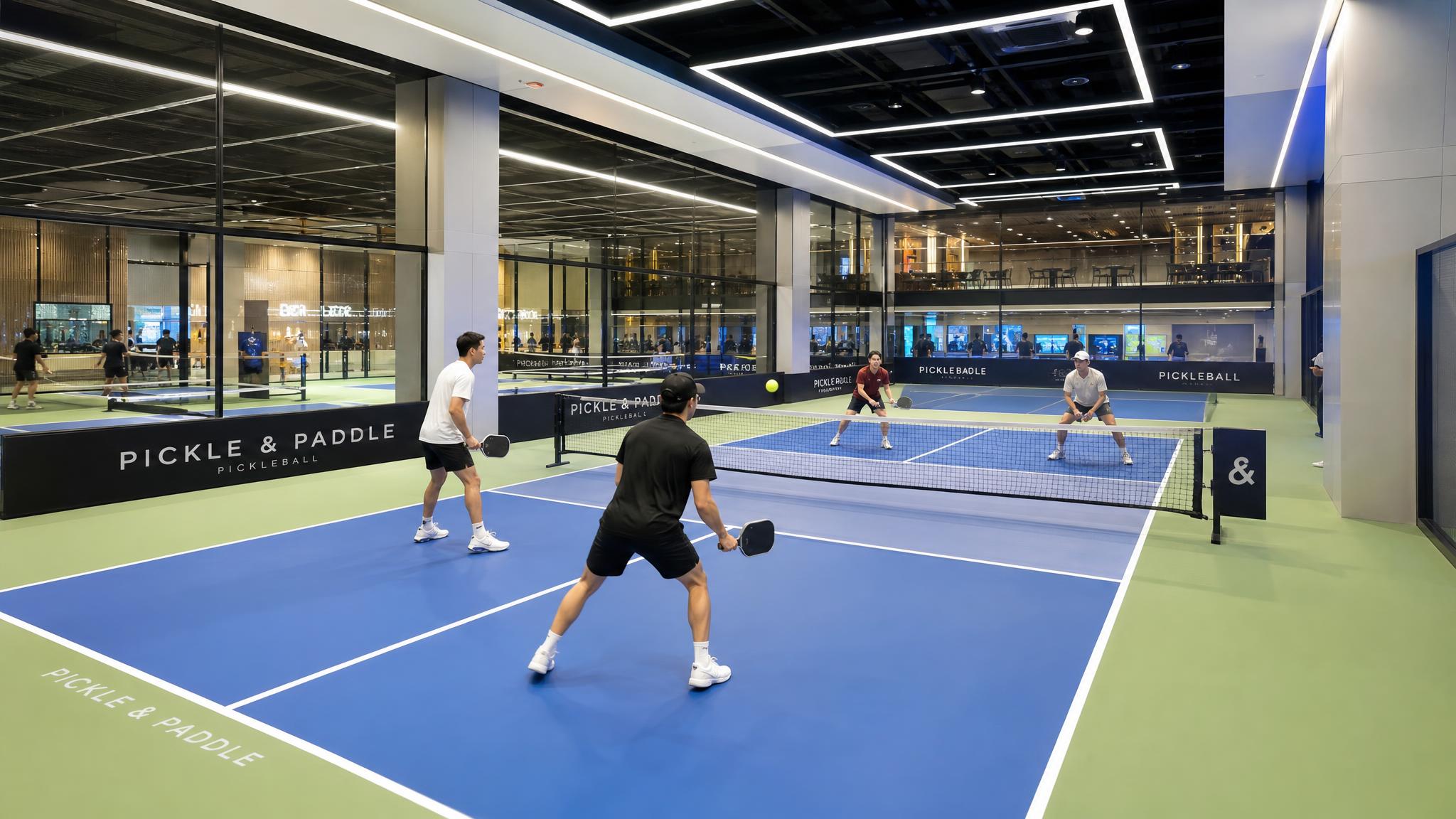
As courts move closer to where people live, the Philippines is writing the region's playbook on neighbourly play.
Few Asian markets have embraced pickleball as fast as the Philippines. Vacant lots, rooftop decks, converted basketball courts and gated-village multi-purpose halls have filled with players, and the sport has become a fixture of barangay social life. But rapid, close-to-home growth comes with a very specific friction: the noise.
The distinctive pop of a paddle striking a hard plastic ball — pleasant on a dedicated court, relentless when it carries into a bedroom window next door — has become the number-one source of pickleball complaints in dense Philippine neighbourhoods. It is the same growing pain that hit suburban America two years earlier, now arriving in a far more vertical, far more tightly-packed urban fabric.
Why pickleball is louder than it looks
The complaint isn't volume alone — it's frequency and tone. The sharp, repetitive, high-pitched crack of paddle-on-ball sits in a range the human ear finds hard to ignore, and it repeats every few seconds for hours. A single court beside homes can generate thousands of these impacts a day. For residents, it's less a sound than a metronome they never agreed to.
What's actually working on the ground
Across Philippine communities, three responses are proving effective — and they're worth sharing market-to-market rather than relearning the hard way:
- Quieter equipment. “Green Zone” / quiet-category paddles and softer balls can cut perceived noise meaningfully. A growing number of courts near residences now mandate them.
- Acoustic barriers & setbacks. Sound-dampening fencing, hedging, and simply siting courts a few more metres from property lines dramatically reduces complaints.
- Agreed playing hours. The simplest fix of all — barangay-brokered time windows (e.g. no play before 7am or after 9pm) turn a standoff into a schedule everyone can live with.
The sport doesn't have a noise problem. It has a placement-and-courtesy problem — and those are solvable.
From complaint to community standard
The encouraging part: the Philippines isn't banning pickleball, it's designing around it. Village associations, private operators and local officials are quietly building a template — quiet gear near homes, acoustic treatment on exposed courts, posted hours, and dedicated purpose-built venues that move the noise away from bedrooms entirely.
That template is exactly the kind of hard-won, locally-specific knowledge that should travel. What a Quezon City village learns about setbacks and quiet paddles can save a Cebu subdivision or a Davao sports complex the same year of friction. The Philippines is, in effect, writing the region's first real playbook on neighbourly pickleball — and the rest of Asia should be reading it.
Running pickleball in the Philippines?
List your court, club or coaching programme in Asia's directory — and connect with operators solving the same challenges across the region.
Get listed →Pickleball Asia is the region's authoritative community network for the sport — maintaining directories of players, coaches and venues across Asia. Reporting reflects publicly available information as of late 2026.